Why Parma is a UNESCO City of Gastronomy

Covers Parma's churches, museums and walks, with tickets and hours checked against the official pages on the date shown.
UpdatedThis page carries dated prices or seasonal dates checked on the date above, and that window has now passed. Re-check the sources at the foot of the page before you book anything.
On December 11, 2015, UNESCO announced the cities joining its Creative Cities Network that year. Five came in under gastronomy: Parma, Belém, Bergen, Burgos and Phuket. Parma was the first Italian city to hold the title. Alba followed in 2017 and Bergamo in 2019.
The label gets printed on tour listings, menus and souvenir bags, so it helps to know what it is. It is a membership of a network of cities that promise to use food as a lever for development and to work together. It is not a quality seal, it does not rate restaurants, and it is not World Heritage status. What it recognizes is real, though: a small city whose economy, museums and weekly shopping still revolve around cheese, ham and the people who make them. This page explains the title, then shows you how to taste it in a day.
At a glance
- What it is
- Membership of UNESCO's Creative Cities Network in the gastronomy field, announced in Paris on December 11, 2015.
- What it is not
- Not World Heritage status, and not a rating of restaurants or products. It certifies nothing you can buy.
- Italian peers
- Alba joined as a City of Gastronomy in 2017 and Bergamo in 2019, per UNESCO's own city pages. Parma was first.
- UNESCO's figures
- A city of 189,000 people with 30.5% of its workforce in agri-food and gastronomy, per UNESCO's profile of Parma.
- Free way in
- The Museo diffuso del Gusto: 24 QR-code stops around the center, with a free map at the tourist office, Strada Garibaldi 18.
- Paid way in
- The Food Museums (Musei del Cibo): €5 each or €15 for a one-year card, mostly weekends from March 1 to December 8.
In this guide
What UNESCO actually recognized in 2015
The Creative Cities Network was founded in 2004. Cities join in one creative field, such as music, literature, design, media arts or gastronomy, and commit to a plan. UNESCO's page on Parma, read on September 29, 2026, describes the case the city made:
- A city of 189,000 inhabitants at the center of the "Italian Food Valley", with 30.5% of its labor force in the agri-food and gastronomic industry.
- The seat of the European Food Safety Authority (EFSA), the EU agency for food-chain risk.
- Home of the Cibus food fair and the Cibus Tec technology fair at Fiere di Parma.
- A farmers' market tradition that UNESCO credits with pushing direct sales and short supply chains.
The page then lists what Parma promised to do: food education and research, links between city gardens and farms, an art, music and food program, youth nutrition projects and exchanges with other cities. Those are commitments made by the city council. None of them is a guarantee about the plate in front of you.
Why Parma, and not Bologna or Modena
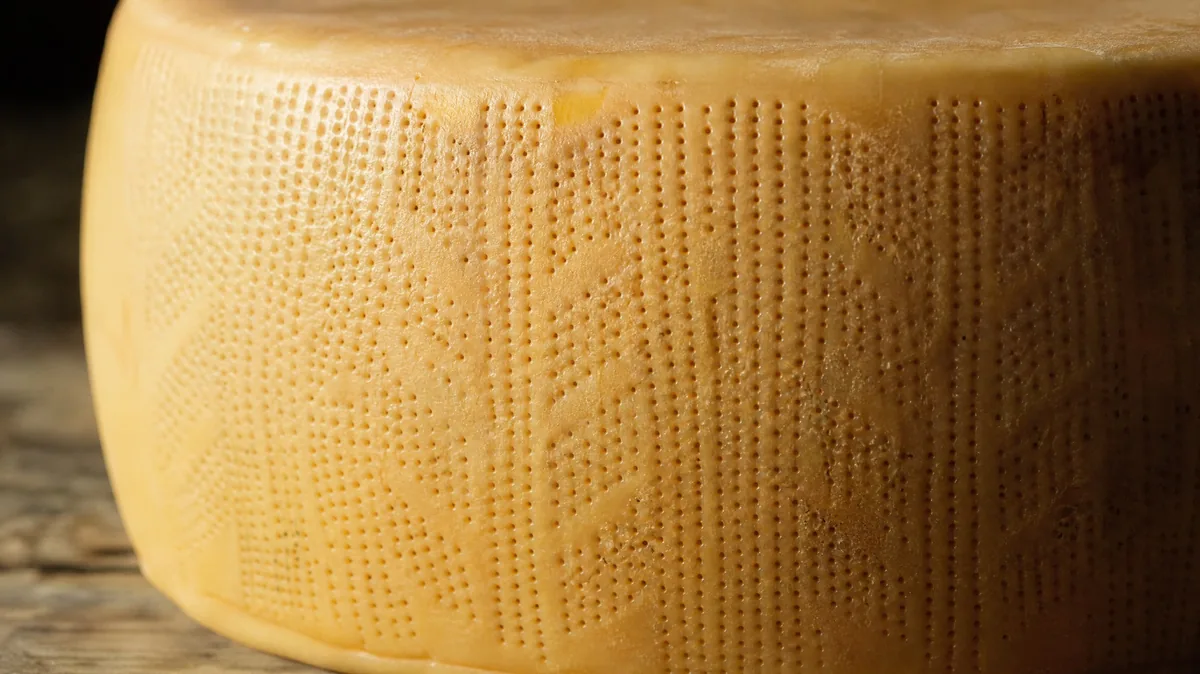
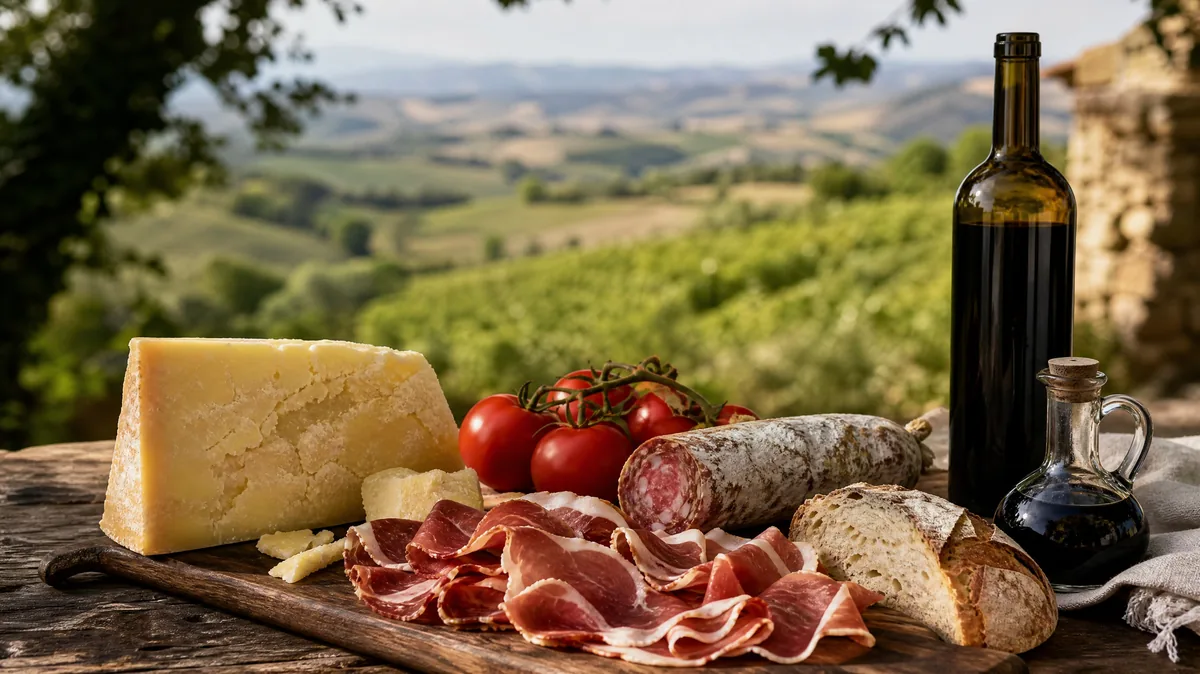
The short answer is the Food Valley. Three of the EU's oldest protected food names come from the province: Parmigiano Reggiano and Prosciutto di Parma were registered on June 21, 1996, and Culatello di Zibello on July 2, 1996, according to the EU's eAmbrosia register. Salame Felino, Coppa di Parma and the Borgotaro porcini are protected too. Our explainer on DOP and IGP labels covers what those marks require.
The neighbors hold different UNESCO titles, which is a useful way to keep them apart:
| City | UNESCO title | Since |
|---|---|---|
| Parma | Creative City of Gastronomy | 2015 |
| Modena | World Heritage (Cathedral, Torre Civica and Piazza Grande); Creative City of Media Arts | 1997; 2021 |
| Bologna | Creative City of Music | 2006 |
So if you want a UNESCO World Heritage monument, it is in Modena, 29 minutes from Parma on the fast regional train for €6.30. Parma's own title is about what people eat and make.
What changed for visitors, and what did not
Some things you can use carry the City of Gastronomy logo. The clearest is the Museo diffuso del Gusto, a free trail of 24 stops around the center. Each stop has a QR code with audio in Italian and English, and the tourist office at Strada Garibaldi 18 (open daily, 9 a.m. to 7 p.m.) hands out the map. Scan more than three stops and you get a tasting discount; more than five earns free entry to one of the Food Museums.
The Food Museums themselves are a provincial network, not a UNESCO project, and they keep short hours: mostly weekends and holidays from March 1 to December 8, at €5 each. One change catches out older guides: the Parmigiano Reggiano museum moved from Soragna to Corte Castellazzi in Fontevivo on June 13, 2026.
What the title did not do:
- It did not certify restaurants. The Michelin Guide's 2026 list is a better signal: in the province only Inkiostro and Antica Corte Pallavicina hold stars, and four trattorie hold a Bib Gourmand.
- It did not fix prices. A plate of anolini costs what the trattoria charges.
- It did not open the dairies. Parmigiano dairies took visitors before 2015, and the consortium's Caseifici Aperti weekends are its own event.
How to taste what the title describes, in one day
You do not need a tour to see why UNESCO chose Parma. This plan uses prices we found on September 29, 2026.
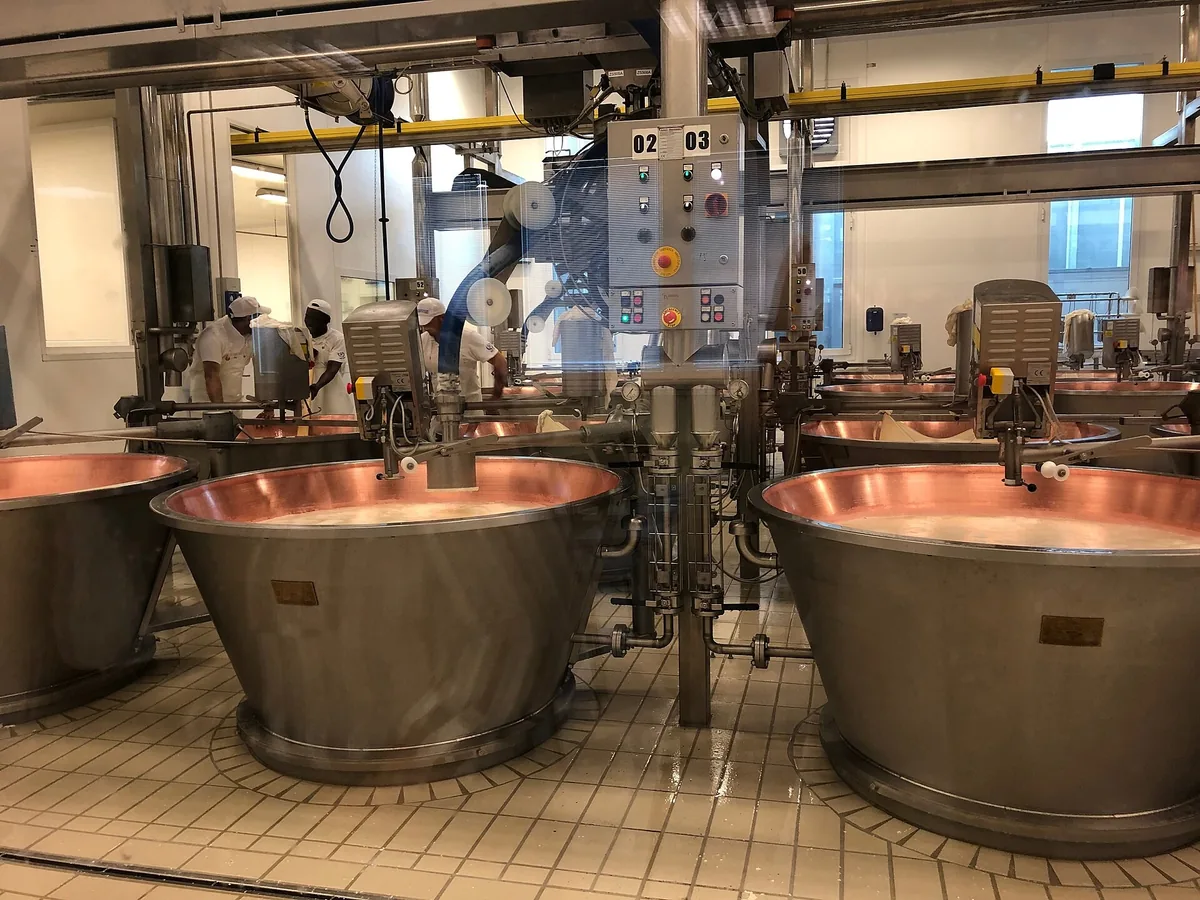
- 8:45 a.m., a working dairy. Caseificio Ugolotti, 4.8 km (3 miles) from Piazza Garibaldi, runs an English tour from €23 at 9 a.m., when the curd is still being worked. Cheese is only made in the early morning, so later slots see less. Details on our dairy visit page.
- 11 a.m., the free trail. Pick up the Museo diffuso del Gusto map and follow a few stops through the center on the way to lunch.
- 1 p.m., a trattoria lunch. At Trattoria del Tribunale the current menu lists torta fritta at €4.50, anolini in brodo at €13 and tortelli d'erbetta at €11.
- 3 p.m., art. The Duomo is free and open without a break until 7:20 p.m., so Correggio's dome fits between lunch and aperitivo.
- 6:30 p.m., aperitivo. Walk the Strada Farini route; reviews in 2026 put a glass at Enoteca Fontana at €2 to €3. The bars do not publish prices, so treat that as reported, not listed.
Reading "UNESCO" on a menu or a tour listing
The title belongs to the city. A cheese, a ham or a tour cannot hold it. When a listing leads with "UNESCO City of Gastronomy", read it as a description of where the tour happens, not an endorsement.
For a product, the marks that carry legal weight are the EU ones: DOP (PDO in English) and IGP (PGI), plus the rind and fire brands the consortia apply. For a tour, compare the price with booking direct. The most-reviewed dairy-and-ham van tour cost €135 on both GetYourGuide and Viator when we checked, against €23 for the Ugolotti dairy tour booked through the consortium. The tour adds transport, a guide and a ham house, which can be worth it if you do not drive. Our tour or do-it-yourself page does the arithmetic.
Frequently asked questions
When did Parma become a UNESCO City of Gastronomy?
UNESCO announced it on December 11, 2015, with Belém, Bergen, Burgos and Phuket in the same field. Parma was the first Italian City of Gastronomy; UNESCO lists Alba from 2017 and Bergamo from 2019.
Is Parma a UNESCO World Heritage Site?
No. The City of Gastronomy title is a Creative Cities Network membership, which is a different UNESCO program. The nearest World Heritage site is Modena's cathedral, Torre Civica and Piazza Grande, inscribed in 1997 and 29 minutes away by fast regional train.
Does the UNESCO title mean Parma's restaurants are certified?
No. UNESCO does not inspect or rate restaurants, and no restaurant can hold the title. Use the menu, the reviews and guides such as Michelin's Bib Gourmand list. Our restaurant shortlist agrees with every verdict on this site.
Is there anything to visit that is connected to the title?
The free Museo diffuso del Gusto trail carries the City of Gastronomy logo: 24 QR stops in the center, with a map from the tourist office at Strada Garibaldi 18. Visit more than five stops and one Food Museum is free.
What should a food lover do first in Parma?
A morning dairy visit, because cheese is made only early in the day. Book a 9 a.m. slot direct with a dairy through the consortium, then eat anolini or tortelli at a trattoria for lunch.
Further reading
Official sources
- UNESCO Creative Cities Network - Parma (official) – Member since 2015, gastronomy; 189,000 inhabitants, 30.5% of workforce in agri-food, EFSA seat, Cibus, the city's plan. Checked September 29, 2026
- UNESCO Creative Cities Network - Alba, Bergamo, Modena, Bologna city pages (official) – Alba gastronomy 2017, Bergamo gastronomy 2019, Modena media arts 2021, Bologna music 2006. Checked September 29, 2026
- UNESCO World Heritage Centre - Cathedral, Torre Civica and Piazza Grande, Modena – Inscribed 1997
- greenMe - Parma e Belém, le città più creative in gastronomia per l'Unesco (December 2015) – Announcement in Paris on December 11; the five gastronomy cities of 2015
- Università di Parma - Parma City of Gastronomy – Parma as the first Italian city designated a UNESCO Creative City of Gastronomy
- European Commission - eAmbrosia GI register (official) – Registration dates for Parmigiano Reggiano, Prosciutto di Parma, Culatello di Zibello and other Parma names, read via the eAmbrosia API September 29, 2026
- Musei del Cibo - Museo diffuso del Gusto (official) – The free city trail, run by the Food Museums network with the City of Gastronomy logo; stops, map and discounts per our food facts file
- Consorzio Parmigiano Reggiano - dairy tours booking (Caseificio Ugolotti) – From €23, English, 9 a.m. start sees production
- Michelin Guide - Parma restaurants (2026 selection) – Stars in the province: Inkiostro and Antica Corte Pallavicina only; Bib Gourmand: Brisla, I Tri Siochett, Ai Due Platani, Antichi Sapori (per our restaurant facts file)
- Trattoria del Tribunale - current menu (leggimenu) – Torta fritta €4.50, anolini in brodo €13, tortelli d'erbetta €11